Stock Cycles Behind Same-Day Vape Delivery in Singapore
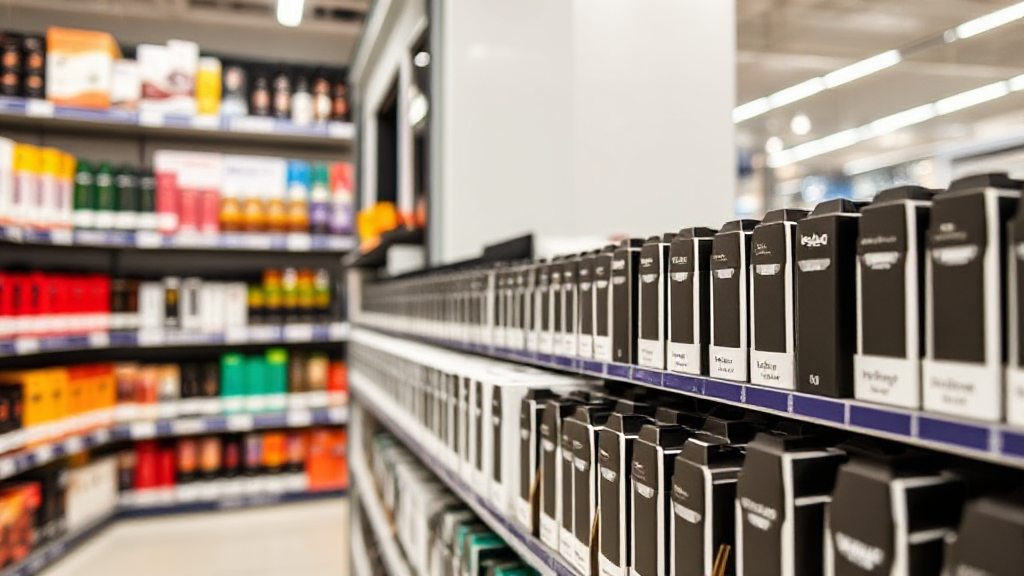
Yesterday the shelf was full. Today it is half empty. The same row of boxes that looked stacked and ready at noon is now down to a few units, and the gap tells a story that most buyers never see. Where did the stock actually go? For anyone who orders Singapore lana vape products regularly, that question matters more than any delivery promise on a homepage, because what is genuinely available for same-day dispatch is decided long before a courier is assigned.
Same-day delivery is not a switch that gets flipped when an order comes in. It is the visible end of a supply cycle that starts with restock decisions, moves through receiving and shelf placement, and ends with a rider heading out. Understanding those cycles helps repeat buyers time their orders instead of guessing, and it explains why availability swings even when a shop looks well stocked from the outside.
Why Availability Swings in Cycles, Not Straight Lines
Vape retail in Singapore runs on waves. A shipment lands, the shelf fills, popular models move quickly, and the shelf thins out again. That pattern repeats, but not on a fixed clock. Demand spikes around weekends, paydays, and the release of new disposable models. Supply arrives in batches that depend on incoming stock, customs clearance, and how fast the previous batch sold through.
The result is a shelf that behaves less like a warehouse and more like a tide. During a high point, almost everything is orderable for same-day dispatch. During a low point, only slower-moving models remain, and the fast sellers drop off the available list until the next batch is received and checked in.
This is why a shop can look busy and still be out of the exact model you want. The stock exists in the system as a plan, but not yet on the shelf as a physical unit. Same-day dispatch only applies to what is physically on hand and verified, which is a much smaller number than the full catalogue.
A Week in the Life of a Stock Shelf
To see how cycles translate into real availability, it helps to walk through a typical week from the perspective of the shelf itself.
Monday and Tuesday: the reset. Weekend orders have cleared out the fastest sellers. The shelf has gaps where the popular Elf Bar models used to sit. Staff count what remains, flag low points, and prepare restock requests. If you order early in the week, you are working with whatever survived the weekend rush. This is often the best window for less common models, because they are still there while the crowd favourites are gone.
Wednesday and Thursday: the refill. New stock arrives, gets checked, and is placed on the shelf. This is when availability climbs back up. For repeat buyers who track patterns, midweek is usually when the widest range becomes orderable again. The shelf is at its fullest, and same-day dispatch has the most room to operate because there is more verified stock to pull from.
Friday: the pressure point. Demand rises as the week ends. Fast sellers start thinning again. By Friday afternoon, the shelf may still look reasonably full, but the most requested models are already down to their last units. Orders placed late on Friday are competing for a shrinking pool, and that is when buyers notice the difference between a stocked shelf and a promised one.
Saturday and Sunday: the drain. Weekend traffic empties the fast movers. By Sunday night, the shelf is at its lowest. Anyone ordering on a Sunday evening is effectively ordering from the leftovers of the week, which is why some models show as unavailable until the next restock lands.
Seen across a week, the shelf tells a clear story: availability is highest just after a restock and lowest just before one. Same-day dispatch is easiest to guarantee in the middle of that curve, not at its edges.
How Restock Rhythms Decide Same-Day Dispatch
Same-day dispatch depends on three things lining up: the item is physically in stock, it has been checked and logged, and the order reaches the fulfilment point before the daily cut-off. Restock rhythms affect all three.
When a batch arrives, it does not go straight to dispatch. It gets received, counted, and verified against the order. Only after that does it become genuinely available. A model that is “arriving today” is not the same as a model that is “on the shelf today.” Buyers who understand this distinction stop treating incoming stock as available stock, and they plan around verified units instead.
This is where a service like lana vape sg earns its keep. Local stock that has already been received and checked is what makes same-day delivery possible at all. If the units are sitting in a local holding area, they can be picked, packed, and handed to a rider within the same working day. If they are still in transit, no amount of courier speed can close the gap.
The daily cut-off is the second half of the equation. Even with stock on the shelf, an order placed after the cut-off rolls into the next dispatch window. Restock days tend to have a healthier buffer before the cut-off, because there is more verified stock to work with. Low-stock days are tighter, and the cut-off effectively arrives earlier for popular models because they sell out before the window closes.
Discreet packaging is the quiet third factor. Every order has to be packed in a way that protects the contents and keeps the delivery low-profile. That packing step takes time, and during peak restock cycles the packing queue is longer. Buyers who order earlier in the day, especially on restock days, tend to move through that queue faster.
Put together, restock rhythms do not just decide what is on the shelf. They decide how much same-day capacity exists on any given day. A well-timed order lands in a wide window. A poorly timed one lands in a narrow one, even if the shop is technically open.
Timing Your Order Around the Cycle
If you order regularly, the practical goal is to place your order when the shelf is fullest and the dispatch window is widest. That usually means the day or two after a restock, and earlier in the day rather than later.
Track what you actually buy. If your model disappears every weekend, it is a fast mover, and you should order it midweek rather than waiting for Friday. If your model is still available on Sunday night, it is a slower mover, and you have more flexibility. Matching your order timing to the behaviour of your specific model is more useful than following a general rule.
Keep an eye on restock signals. When a popular model comes back into availability, that is the moment the cycle resets and the widest range is orderable. Buyers who notice these signals get first pick of the fresh batch, and they are the least likely to hit a sold-out wall later in the week.
For buyers who want the convenience of local stock and express dispatch, Lana vape same day delivery works best when it is treated as a timing decision, not a guarantee. The service can move quickly, but it can only move what is physically on the shelf. Understanding the cycle is what turns a fast delivery option into a reliable one.
It also helps to think about Singapore vape delivery as a local logistics problem rather than a shipping problem. There is no long-haul transit to wait on. The bottleneck is stock readiness and packing capacity, both of which are shaped by the restock cycle. Once you see it that way, the timing advice becomes obvious: order when the shelf is fresh, and let the courier do the easy part.
Repeat buyers often develop a personal rhythm without realising it. They order on the same day of the week, at roughly the same time, and they rarely get caught out. That rhythm is not luck. It is an unconscious match between their buying habits and the shop’s restock cycle. Making that match conscious is the whole point of paying attention to cycles.
For anyone who values a straightforward local option, Vape delivery sg and Sg vape shop delivery both depend on the same underlying reality: the shelf has to be stocked before the rider can move. The best buyers are not the ones who order the most. They are the ones who order at the right point in the cycle.
Frequently Asked Questions
Why is a model available one day and gone the next?
Fast-moving models sell through quickly after a restock, so they can disappear within a day or two. Availability reflects what is physically on the shelf, not what is listed in the catalogue. When a popular model is gone, it typically returns with the next restock batch.
When is the best time to order for same-day dispatch?
Midweek, shortly after a restock, is usually when the shelf is fullest and the dispatch window is widest. Ordering earlier in the day also helps, because the packing queue is shorter and the daily cut-off has not yet closed.
Does same-day delivery mean every model is available today?
No. Same-day delivery applies only to stock that has been received, checked, and placed on the shelf. Incoming stock that has not yet been verified cannot be dispatched, even if it is expected to arrive the same day.
How can I tell when a restock has happened?
Watch for models that were previously unavailable reappearing as orderable. That return usually signals a fresh batch has been received and checked in, which is the point in the cycle with the widest range and the strongest same-day capacity.